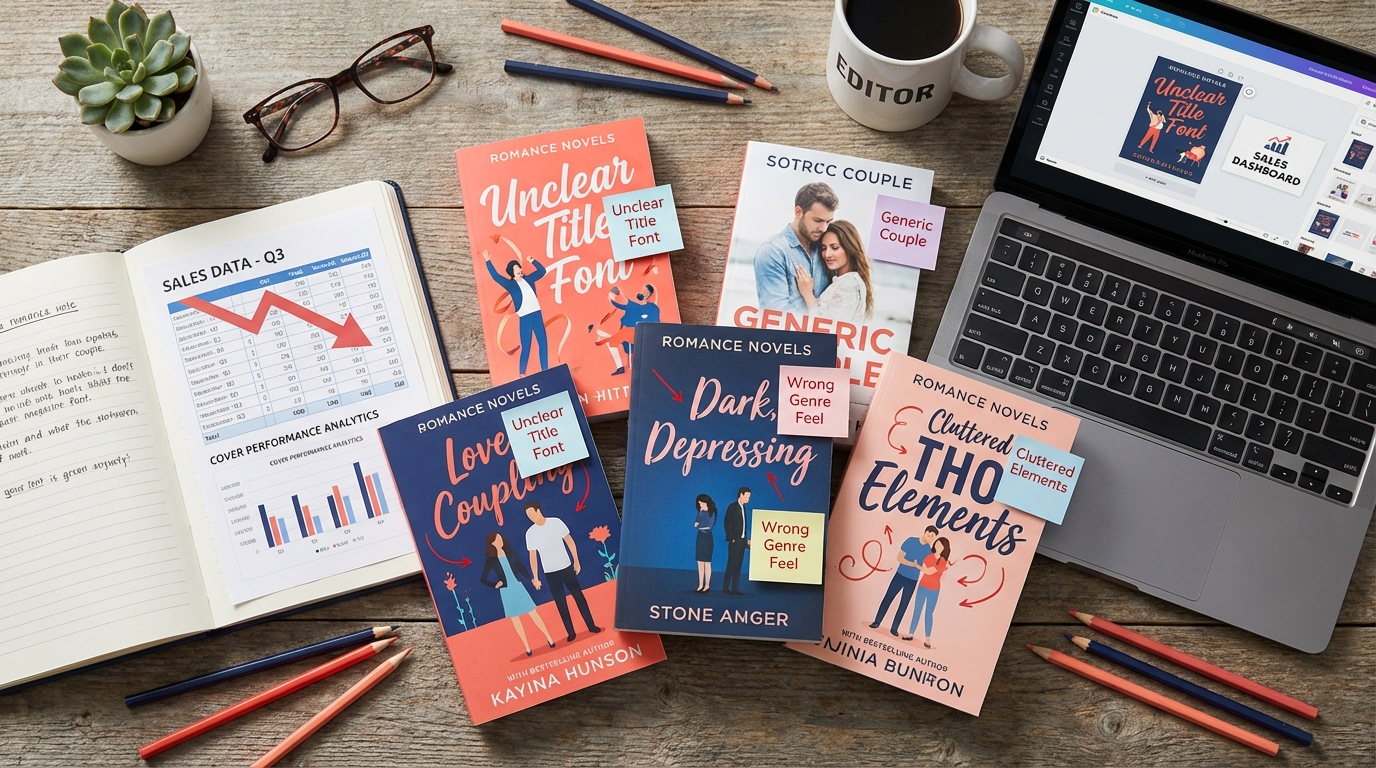
The Reality of Romance Marketing on a Budget
Let me be honest with you: watching talented romance authors struggle with marketing breaks my heart. After years of editing romance manuscripts and seeing authors pour their souls into beautiful stories, only to watch them languish because of poor marketing decisions, I've learned something crucial. It's not about having a massive budget—it's about spending smart.
When authors come to me after their book launches, frustrated that their contemporary romance or paranormal series isn't finding readers, the conversation often turns to marketing spend. "I threw $300 at Facebook ads and got nothing," they tell me. "I spent $200 on a blog tour that sold three books." Sound familiar?
Here's the truth: romance readers are out there, actively looking for their next book boyfriend. But creating an effective indie author marketing budget romance strategy requires more than throwing money at random tactics and hoping something sticks.
The 70/20/10 Budget Allocation Rule That Actually Works
After analyzing data from dozens of successful romance launches I've been involved with, I've discovered that the most successful authors follow a specific budget allocation pattern. This isn't theory—it's based on real results from real romance books.
70% - Targeted Digital Advertising
The bulk of your indie author marketing budget romance allocation should go toward platforms where romance readers actively discover books. That means:
- Amazon Ads (40% of total budget): $200 of your $500 goes here. Romance readers shop on Amazon, and sponsored product ads appear right where they're making buying decisions.
- Facebook and Instagram Ads (20% of total budget): $100 for highly targeted campaigns focusing on readers of similar authors in your subgenre.
- BookBub Ads (10% of total budget): $50 for their targeted advertising platform, which specifically reaches engaged book buyers.
Why this heavy focus on paid advertising? Because organic reach is essentially dead, and romance is a competitive genre. You need to pay to play, but you need to pay smart.
20% - Strategic Promotions and Services
This $100 portion of your budget goes toward services that amplify your reach:
- Newsletter promotions ($60): Services like BookFunnel promos or genre-specific newsletter swaps
- Book promotion sites ($40): Bargain romance book sites that cater specifically to your subgenre
10% - Testing and Tools
The remaining $50 is your experimentation fund. Try new platforms, test different promotional services, or invest in tools that help track your success. This is how you discover what works for your specific books and audience.
Marketing Channels That Deliver Real ROI for Romance Authors
Not all marketing channels are created equal, especially in romance. Based on the data I've seen from authors I work with, here are the channels that consistently deliver:
Amazon Sponsored Product Ads
These ads have the highest conversion rate because they catch readers at the point of purchase. I've seen romance authors achieve 3:1 to 5:1 return on ad spend with well-optimized Amazon campaigns. The key is targeting books similar to yours and using relevant keywords like "enemies to lovers" or "small town romance."
Facebook Ads with Lookalike Audiences
When done right, Facebook ads can introduce your book to readers who love authors similar to you. The trick is creating lookalike audiences based on successful romance authors in your subgenre, not casting too wide a net.
Cross-Promotions with Other Romance Authors
This is where the romance community shines. Newsletter swaps, group promotions, and bundle participation can stretch your marketing budget significantly. Many of my editing clients have found their biggest audience growth comes from collaborating with authors writing similar heat levels and tropes.
Free and Low-Cost Marketing Tactics That Actually Move Books
Before you spend that $500, maximize these free strategies. They'll make your paid advertising more effective:
Optimize Your Book's Metadata
Your book's title, subtitle, keywords, and categories are free marketing tools. I regularly see manuscripts with weak subtitles that don't signal the tropes readers love. If you're writing enemies-to-lovers, make sure readers know it from your book's presentation.
Build Relationships in Romance Communities
Join Facebook groups where your target readers hang out. Share valuable content, participate in discussions, and genuinely connect with readers. This isn't about constant self-promotion—it's about becoming a trusted voice in the community.
Leverage Review Swaps and ARC Teams
Early reviews are crucial for romance novels. Build an advance review copy (ARC) team of engaged romance readers who'll leave honest reviews quickly after release. This social proof makes your paid advertising more effective.
Create Series and Write to Market
The most successful romance authors I work with write series in popular tropes. Each book markets the others, multiplying your marketing impact. A well-planned series can turn that $500 marketing budget into a sustainable, growing income stream.
Tracking Your Marketing Spend and Adjusting for Success
Here's where many romance authors lose money: they don't track what works. Your indie author marketing budget romance strategy needs constant refinement based on actual data, not gut feelings.
Essential Metrics to Track
- Cost per click (CPC): How much you're paying to get someone to your book page
- Conversion rate: What percentage of clicks become sales
- Return on ad spend (ROAS): How much revenue each dollar of advertising generates
- Read-through rate: For series, how many readers continue to the next book
Simple Tracking System
Create a spreadsheet tracking each marketing channel's performance weekly. Include spend, sales attributed to that channel, and ROAS. After 30 days, reallocate budget from underperforming channels to your winners.
For example, if your Amazon ads are generating a 4:1 return while your Facebook ads are breaking even, shift more budget to Amazon and reduce Facebook spending until you can optimize those campaigns.
The 30-60-90 Day Adjustment Strategy
Month one is about gathering data. Month two is about doubling down on what works and fixing what doesn't. Month three is about scaling successful campaigns and testing new opportunities with your experimentation budget.
Common Budget Mistakes That Kill Romance Marketing Campaigns
I've seen the same marketing mistakes repeatedly among the romance authors I work with:
- Spreading budget too thin: Trying to be everywhere instead of dominating a few channels
- Not accounting for series strategy: Marketing book one without considering the full series revenue potential
- Ignoring seasonal trends: Romance has seasonal patterns—summer beach reads, holiday romances, etc.
- Focusing on vanity metrics: Caring more about likes and followers than actual book sales
Making Your Marketing Budget Work Harder
The most successful indie romance authors I know treat marketing as an investment, not an expense. That $500 isn't money you're spending—it's money you're investing in building a readership that will buy your next book, and the next one after that.
Remember, in romance, readers are incredibly loyal to authors whose books they love. Your goal isn't just to sell one book—it's to create fans who'll eagerly await everything you write. That completely changes how you think about your indie author marketing budget romance allocation.
Every dollar you spend on marketing should be building toward sustainable, long-term success. Focus on strategies that not only sell books but also build your email list, create reader loyalty, and establish your brand in the romance community.
Your stories deserve readers, and with smart, strategic marketing, you can find them without breaking the bank. Start with these proven strategies, track everything, and adjust based on what the data tells you. Your future bestselling romance career begins with these first smart marketing decisions.
Frequently Asked Questions
What's the best way to split a $500 indie romance marketing budget?
Use the 70/20/10 rule: 70% on targeted digital advertising (Amazon ads, Facebook ads, BookBub ads), 20% on strategic promotions and newsletter services, and 10% on testing new platforms and tools.
Which marketing channels give romance authors the best return on investment?
Amazon Sponsored Product Ads consistently deliver the highest ROI for romance authors, often achieving 3:1 to 5:1 returns, followed by targeted Facebook ads with lookalike audiences and cross-promotions with other romance authors.
How do I track if my romance book marketing is actually working?
Track key metrics including cost per click (CPC), conversion rate, return on ad spend (ROAS), and read-through rates for series. Use a simple spreadsheet to monitor each channel's performance weekly and reallocate budget based on 30-day results.
What free marketing tactics work best for indie romance authors on a budget?
Focus on optimizing your book's metadata with clear trope signals, building relationships in romance reader communities, creating an ARC team for early reviews, and writing series in popular tropes where each book markets the others.
Ready to Take Your Manuscript to the Next Level?
As a developmental editor specializing in romance fiction, I help authors strengthen their stories, deepen their characters, and polish their prose. Let's work together to make your book shine.
Learn About My Editing Services →